
Powered By



Depression is a common mental health condition that affects nearly 18 percent of adults in the U.S. For people living with hemophilia — a rare bleeding disorder — depression can be an added challenge.
The symptoms and complications of hemophilia can impact your overall quality of life and emotional well-being, sometimes leading to feelings of sadness or hopelessness. While these feelings may be temporary for some, ongoing or severe depression is a serious concern that deserves attention and support from a healthcare professional.
In this article, we’ll discuss how depression can affect people with hemophilia, signs and symptoms to watch for, and what you can do if you’re struggling — including treatment options and ways to get help.
Depression is a mental condition that impacts how you act, think, feel, and perceive the world. Women are more frequently diagnosed with depression compared to men, according to the American Medical Association. Men may be at a higher risk of undiagnosed depression if they are reluctant to report it to a healthcare provider or talk about how they feel with a friend or family member.
If you’ve ever felt persistently sad and hopeless or experienced a lack of interest in things you used to enjoy, you may have experienced depression. Other symptoms of depression may include significant changes in weight, appetite, concentration, sleep patterns, feelings of guilt, worthlessness, helplessness, and difficulties making decisions.
Some days, you might feel persistent sadness, unsure if the situation will improve and how to lighten your mood. At its worst, depression can include suicidal thoughts or actions.
If you or someone you know needs help, you can contact the 988 Suicide & Crisis Lifeline by calling or texting 988 or chatting online.
People living with a chronic illness like hemophilia experience new episodes of depression at higher levels than the general population. This may be, in part, due to the direct effects of living with hemophilia on quality of life.
Some people living with hemophilia aren’t aware of the mental health effects related to their medical condition. One member of MyHemophiliaTeam said that they were surprised to learn that depression can occur with hemophilia.
“I’m brand new to this site, and I wasn’t aware that my bleeding disorder can cause fatigue and depression. I have been dealing with fatigue for several years and have noticed being depressed more and more in the last few years. I am interested in learning what I can do — or things I shouldn’t do — to make life better,” they said.
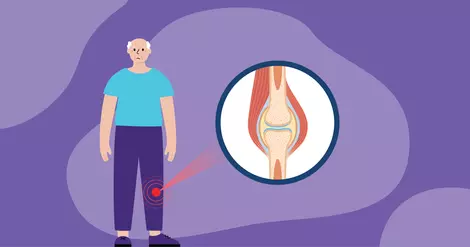
Being less physically active increases the risk of depression, among other health problems. People with hemophilia tend to be less active for a variety of reasons, including a fear of injuries, joint pain, fatigue, mobility issues, and a lack of time or interest.
Several members of MyHemophiliaTeam have said that chronic pain, bleeding episodes, and other symptoms have caused them to stay in bed for long periods of time, leading to depressive symptoms.
“My knee that needs to be replaced has been painful,” said one member. “I’ve also been experiencing bleeds in my elbow and ankle. So, I’m on my back for now. How do you guys deal with depression?”
“I’ve had one of those days where I just want to lie in bed all day,” said another MyHemophiliaTeam member.
If you think you might be depressed, a healthcare provider can evaluate you for depression. They may use a standard screening tool or questionnaire to ask about your symptoms, family members and caregivers, any difficulties managing treatments and medical appointments, and economic and social factors.
Your healthcare provider might run medical tests to make sure your symptoms aren’t caused by another health condition. They may look for things like vitamin deficiencies, alcohol or drug dependence, hormonal imbalances, or other brain changes.
The first step toward treating depression is speaking with a healthcare provider. They can suggest the best treatment options for you, given your specific symptoms. Managing your hemophilia and any bothersome symptoms that contribute to depression may also help.
Interpersonal therapy and cognitive behavioral therapy are two common approaches that can make a significant difference for people who are depressed. With therapy, a counselor or therapist can offer advice and tools that have helped other people improve their mental health.
Cognitive behavioral therapy is considered the favored first approach to treat and manage many mental health conditions. That’s because it is backed by science, has been heavily researched, and is effective, according to experts.
Therapists can also be a source of support if you’re unsure you’re taking the proper steps to feel better. Sometimes, you are doing what’s best for you, and that extra validation helps lift your mood.
Prescription medications, including antidepressants, are often used to treat depression, particularly when symptoms are moderate to severe. There are a variety of medications and medication classes used to treat depression. Some antidepressants can increase the risk of bleeding, and it is important to share your concerns with your healthcare provider — never start, stop, or change an antidepressant without your doctor’s advice.
Research has also found that peer support groups can help improve quality of life for people with depression. These groups show you that you’re not alone in what you’re experiencing. Support is also available in online forums, including MyHemophiliaTeam.
“I’m very thankful for all of you guys because reading your posts makes me feel less isolated from the world,” said a MyHemophiliaTeam member.
Another member said, “I have been thankful for this group because I can read everyone’s stories.”
Being depressed or feeling like you might be affected by depression can lead to additional stress in your life. But with all the treatment options available, a healthcare provider can help you make the best decisions about how to feel better and improve your quality of life.
On MyHemophiliaTeam, people share their experiences with hemophilia, get advice, and find support from others who understand.
Have you experienced depression with hemophilia? Let others know in the comments below.
Get updates directly to your inbox.





 Continue with Facebook
Continue with Email
Continue with Facebook
Continue with Email
Continue with Facebook
Continue with Email
Continue with Facebook
Continue with Email
Become a member to get even more





 Join
Join


 Your Privacy Choices

This is a member-feature!
Sign up for free to view article comments.
I feel you i have panic n anxiety attacks n depression. It bites
We'd love to hear from you! Please share your name and email to post and read comments.
You'll also get the latest articles directly to your inbox.