... References Hemophilia — Mayo Clinic Pain and Pain Management in Haemophilia — Blood Coagulation & Fibrinolysis The Dangers of NSAIDs: Look Both Ways — British Journal of General Practice Nonsteroidal Anti-Inflammatory Drugs (NSAIDs) — StatPearls Definition of Enzyme — RxList Guidelines To Help Reduce the Side Effects of NSAIDs (Nonsteroidal Anti-inflammatory ...
Is It Safe To Take Ibuprofen With Hemophilia?
... References Hemophilia — Mayo Clinic Pain and Pain Management in Haemophilia — Blood Coagulation & Fibrinolysis The Dangers of NSAIDs: Look Both Ways — British Journal of General Practice Nonsteroidal Anti-Inflammatory Drugs (NSAIDs) — StatPearls Definition of Enzyme — RxList Guidelines To Help Reduce the Side Effects of NSAIDs (Nonsteroidal Anti-inflammatory ...
... Nonsteroidal Anti-Inflammatory DrugsNonsteroidal anti-inflammatory drugs (NSAIDs) are used for all sorts of reasons, from minor headaches to more serious pain. NSAIDs can be bought over the counter (OTC) or prescribed by a doctor. ...
9 Medications To Avoid With von Willebrand Disease
... Nonsteroidal Anti-Inflammatory DrugsNonsteroidal anti-inflammatory drugs (NSAIDs) are used for all sorts of reasons, from minor headaches to more serious pain. NSAIDs can be bought over the counter (OTC) or prescribed by a doctor. ...
... Examples of gene therapy approved for adults with hemophilia include: Valoctocogene roxaparvovec-rvox (Roctavian) for adults with severe hemophilia A and no anti-AAV5 antibodies Etranacogene dezaparvovec-drlb (Hemgenix) for adults with hemophilia B The long-term success of gene therapies varies depending on the drug and follow-up time. ...
7 Ways To Protect Your Joints With Severe Hemophilia
... Examples of gene therapy approved for adults with hemophilia include: Valoctocogene roxaparvovec-rvox (Roctavian) for adults with severe hemophilia A and no anti-AAV5 antibodies Etranacogene dezaparvovec-drlb (Hemgenix) for adults with hemophilia B The long-term success of gene therapies varies depending on the drug and follow-up time. ...
... Centers for Disease Control and Prevention Products Licensed in the US — National Bleeding Disorders Foundation Coagulation Factor VIIa (Intravenous Route) — Mayo Clinic Anti-Inhibitor Coagulant Complex (Intravenous Route) — Mayo Clinic Coagulation Factor VIIa-Jncw (Intravenous Route) — Mayo Clinic Non-Factor Replacement Therapies — The Haemophilia ...
What Do Inhibitors Do in Hemophilia A?
... Centers for Disease Control and Prevention Products Licensed in the US — National Bleeding Disorders Foundation Coagulation Factor VIIa (Intravenous Route) — Mayo Clinic Anti-Inhibitor Coagulant Complex (Intravenous Route) — Mayo Clinic Coagulation Factor VIIa-Jncw (Intravenous Route) — Mayo Clinic Non-Factor Replacement Therapies — The Haemophilia ...
... Studies suggest that cocoa has anti-clotting effects. Other sources of caffeine include energy drinks, some medications, and certain candies and gum. ...
... Anti-inhibitor coagulant complex (Feiba) — This clotting factor helps control and prevent bleeding in people with hemophilia A or B who have developed inhibitors. Coagulation factor VIIa (recombinant)-jncw (Sevenfact) — This medication contains a synthetic version of the factor VIIa protein used to treat people with both main types of hemophilia. ...
Hemophilia B Inhibitors: Causes and Treatments
... Anti-inhibitor coagulant complex (Feiba) — This clotting factor helps control and prevent bleeding in people with hemophilia A or B who have developed inhibitors. Coagulation factor VIIa (recombinant)-jncw (Sevenfact) — This medication contains a synthetic version of the factor VIIa protein used to treat people with both main types of hemophilia. ...
... This condition, known as vitamin K deficiency bleeding, may be acquired due to liver failure, lack of vitamin K, or if the mother takes certain blood-thinning or anti-seizure medications. Vitamin K deficiency bleeding occurs in approximately 1 in 14,000 to 25,000 newborns. ...
Hemophilia Types
... This condition, known as vitamin K deficiency bleeding, may be acquired due to liver failure, lack of vitamin K, or if the mother takes certain blood-thinning or anti-seizure medications. Vitamin K deficiency bleeding occurs in approximately 1 in 14,000 to 25,000 newborns. ...
... Food & Drug Administration ACIP Recommendations — Centers for Disease Control and Prevention Underlying Conditions and the Higher Risk for Severe COVID-19 — Centers for Disease Control and Prevention 2024 Clinical Practice Guideline Update by the Infectious Diseases Society of America on the Management of COVID-19: Anti-SARS-CoV-2 Neutralizing Antibody ...
3 Layers of COVID-19 Protection: New Vaccines, Prevention Drug, and Tests
... Food & Drug Administration ACIP Recommendations — Centers for Disease Control and Prevention Underlying Conditions and the Higher Risk for Severe COVID-19 — Centers for Disease Control and Prevention 2024 Clinical Practice Guideline Update by the Infectious Diseases Society of America on the Management of COVID-19: Anti-SARS-CoV-2 Neutralizing Antibody ...
... If you’re having a joint bleed, avoid taking nonsteroidal anti-inflammatory drugs (NSAID) like ibuprofen, aspirin, and naproxen to control the pain. NSAIDS can make it harder for the bleeding to stop.Instead, acetaminophen may be a safer choice for pain relief. ...
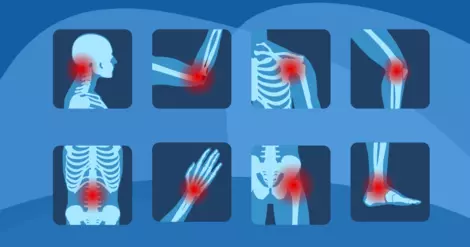
Joint Pain and Hemophilia: Tips for Managing
... If you’re having a joint bleed, avoid taking nonsteroidal anti-inflammatory drugs (NSAID) like ibuprofen, aspirin, and naproxen to control the pain. NSAIDS can make it harder for the bleeding to stop.Instead, acetaminophen may be a safer choice for pain relief. ...
... Some people may need clotting factor treatment as part of their care plan.Avoid medications that can raise the risk of bleeding — especially blood thinners, aspirin, and traditional nonsteroidal anti-inflammatory drugs (NSAIDs) such as ibuprofen or naproxen — unless your hemophilia specialist says they’re safe for you.When To Call the DoctorContact ...
Hemophilia Bruising: Pictures and What To Know
... Some people may need clotting factor treatment as part of their care plan.Avoid medications that can raise the risk of bleeding — especially blood thinners, aspirin, and traditional nonsteroidal anti-inflammatory drugs (NSAIDs) such as ibuprofen or naproxen — unless your hemophilia specialist says they’re safe for you.When To Call the DoctorContact ...









 Join
Join

 Your Privacy Choices