... As a result, they might interfere with the clotting process and the way coagulant therapies work.In general, foods that are exceptionally high in vitamin K include: Natto (fermented soybeans) Collard greens Turnip greens Spinach Kale Broccoli Carrot juice Canned pumpkin Soybeans and soybean oil Because most of these foods are so nutritious, you may ...
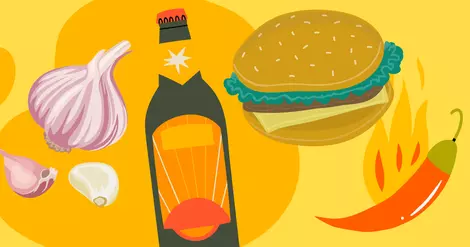
7 Foods and Drinks To Avoid With von Willebrand Disease
... As a result, they might interfere with the clotting process and the way coagulant therapies work.In general, foods that are exceptionally high in vitamin K include: Natto (fermented soybeans) Collard greens Turnip greens Spinach Kale Broccoli Carrot juice Canned pumpkin Soybeans and soybean oil Because most of these foods are so nutritious, you may ...
... The goal of taking factor concentrate is to raise your clotting factor to 80 percent to 100 percent for hemophilia A and 60 percent to 80 percent for hemophilia B and seek emergency treatment. Then, call your local hemophilia treatment center or hemophilia physician. ...
Does Blood Loss Cause Headaches? What To Know for Hemophilia
... The goal of taking factor concentrate is to raise your clotting factor to 80 percent to 100 percent for hemophilia A and 60 percent to 80 percent for hemophilia B and seek emergency treatment. Then, call your local hemophilia treatment center or hemophilia physician. ...
... Although vitamin K isn’t a treatment for hemophilia, it’s an important nutrient for people with clotting disorders.How To Eat More GreensCollard greens, turnip greens, spinach, and kale are some of the richest natural sources of vitamin K. ...
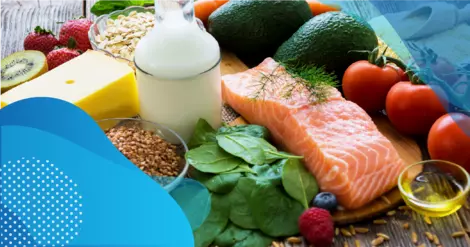
Hemophilia Diet: 3 Foods To Eat and 2 To Avoid
... Although vitamin K isn’t a treatment for hemophilia, it’s an important nutrient for people with clotting disorders.How To Eat More GreensCollard greens, turnip greens, spinach, and kale are some of the richest natural sources of vitamin K. ...
... High blood pressure is usually diagnosed when it’s over 130/80 mm Hg.Having high blood pressure increases the risk of cardiovascular disease because it puts extra strain on the heart, blood vessels, and major organs — including the kidneys.Research shows that hypertension tends to develop earlier in people with hemophilia and becomes more common with ...
Hemophilia A and Cardiovascular Disease: Connection and Risk
... High blood pressure is usually diagnosed when it’s over 130/80 mm Hg.Having high blood pressure increases the risk of cardiovascular disease because it puts extra strain on the heart, blood vessels, and major organs — including the kidneys.Research shows that hypertension tends to develop earlier in people with hemophilia and becomes more common with ...
... In the Netherlands, median life expectancy from 2001 to 2018 varied based on hemophilia severity as follows: Severe hemophilia — 73 years Moderate hemophilia — 80 years Mild hemophilia — 79 years Researchers found that the mortality rate was 80 percent higher in people with severe hemophilia compared to those with mild hemophilia during this time ...
Hemophilia B Prognosis: What Is the Life Expectancy?
... In the Netherlands, median life expectancy from 2001 to 2018 varied based on hemophilia severity as follows: Severe hemophilia — 73 years Moderate hemophilia — 80 years Mild hemophilia — 79 years Researchers found that the mortality rate was 80 percent higher in people with severe hemophilia compared to those with mild hemophilia during this time ...
... Studies have shown that between 70 percent and 80 percent become tolerant to infused clotting factors.Immune tolerance induction therapy is effective in about half of people with hemophilia B and inhibitors.Unfortunately, studies show that fewer than half of these treatments succeed for people with hemophilia B and inhibitors. ...
Hemophilia B Inhibitors: Causes and Treatments
... Studies have shown that between 70 percent and 80 percent become tolerant to infused clotting factors.Immune tolerance induction therapy is effective in about half of people with hemophilia B and inhibitors.Unfortunately, studies show that fewer than half of these treatments succeed for people with hemophilia B and inhibitors. ...
... Among those with severe hemophilia, up to 70 percent to 80 percent of bleeds happen in the joints. ...
... Here’s what you need to understand about the lesser-known symptoms of hemophilia.Why Pain Can Be a Symptom of HemophiliaBleeding in the joints, which accounts for 70 percent to 80 percent of all bleeding incidents for people with severe hemophilia, can cause long-term pain. ...
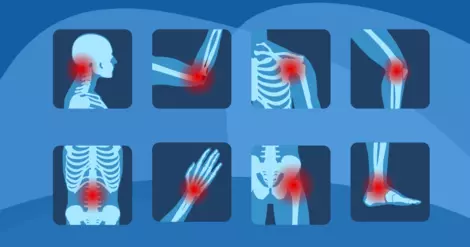
Overlooked Hemophilia Symptoms: Pain and More
... Here’s what you need to understand about the lesser-known symptoms of hemophilia.Why Pain Can Be a Symptom of HemophiliaBleeding in the joints, which accounts for 70 percent to 80 percent of all bleeding incidents for people with severe hemophilia, can cause long-term pain. ...
... The goal of this treatment is to “train” the immune system to stop making inhibitors.ITI is successful in 70 percent to 80 percent of people with hemophilia A. However, this treatment requires a large time and money commitment.4. BiologicsBiologics are special treatments made from living sources, like cells or proteins. ...
How To Treat Hemophilia: 6 Treatment Options
... The goal of this treatment is to “train” the immune system to stop making inhibitors.ITI is successful in 70 percent to 80 percent of people with hemophilia A. However, this treatment requires a large time and money commitment.4. BiologicsBiologics are special treatments made from living sources, like cells or proteins. ...
... Between 80 percent and 85 percent of people with hemophilia have hemophilia A. As many as 1 in every 5,000 newborn males has hemophilia A. According to the National Organization for Rare Disorders (NORD), hemophilia B is the second most common type of hemophilia. ...
Hemophilia A vs. B: What Are the Differences?
... Between 80 percent and 85 percent of people with hemophilia have hemophilia A. As many as 1 in every 5,000 newborn males has hemophilia A. According to the National Organization for Rare Disorders (NORD), hemophilia B is the second most common type of hemophilia. ...










 Join
Join

 Your Privacy Choices