... Drugs) — Hospital for Special Surgery Hemophilia A — GeneReviews Managing Pain — Great Lakes Hemophilia Foundation Pain Management — Michigan Medicine University of Michigan Rest, Ice, Compression, and Elevation (RICE) — Kaiser Permanente NSAIDs May Be Safe for Use in Hemophilia, but More Research Is Needed — AJMC ...
Is It Safe To Take Ibuprofen With Hemophilia?
... Drugs) — Hospital for Special Surgery Hemophilia A — GeneReviews Managing Pain — Great Lakes Hemophilia Foundation Pain Management — Michigan Medicine University of Michigan Rest, Ice, Compression, and Elevation (RICE) — Kaiser Permanente NSAIDs May Be Safe for Use in Hemophilia, but More Research Is Needed — AJMC ...
... Check OTC medications for hidden NSAIDs or blood thinners. Commonly used cold and allergy medications may contain ingredients that can increase bleeding risk. Maintain an updated list of all your medications and supplements, including dosages, and share it with all your healthcare providers. ...
9 Medications To Avoid With von Willebrand Disease
... Check OTC medications for hidden NSAIDs or blood thinners. Commonly used cold and allergy medications may contain ingredients that can increase bleeding risk. Maintain an updated list of all your medications and supplements, including dosages, and share it with all your healthcare providers. ...
... However, in certain cases, your doctor may approve COX-2-selective NSAIDs (like celecoxib). For pain relief, acetaminophen (Tylenol) remains a first-line choice for hemophilia.If you’re thinking about consuming any of these, talk to your doctor first. ...
7 Ways To Protect Your Joints With Severe Hemophilia
... However, in certain cases, your doctor may approve COX-2-selective NSAIDs (like celecoxib). For pain relief, acetaminophen (Tylenol) remains a first-line choice for hemophilia.If you’re thinking about consuming any of these, talk to your doctor first. ...
... NSAIDS can make it harder for the bleeding to stop.Instead, acetaminophen may be a safer choice for pain relief. ...
... Some people may need clotting factor treatment as part of their care plan.Avoid medications that can raise the risk of bleeding — especially blood thinners, aspirin, and traditional nonsteroidal anti-inflammatory drugs (NSAIDs) such as ibuprofen or naproxen — unless your hemophilia specialist says they’re safe for you.When To Call the DoctorContact ...
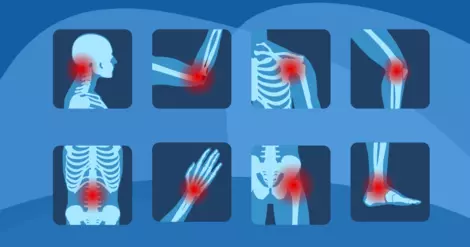
Hemophilia Bruising: Pictures and What To Know
... Some people may need clotting factor treatment as part of their care plan.Avoid medications that can raise the risk of bleeding — especially blood thinners, aspirin, and traditional nonsteroidal anti-inflammatory drugs (NSAIDs) such as ibuprofen or naproxen — unless your hemophilia specialist says they’re safe for you.When To Call the DoctorContact ...
... For example, avoid nonsteroidal anti-inflammatory drugs (NSAIDs) unless your care team allows you to take them.Steps for Injury and Bleeding PreventionA bleeding disorder can make some activities a little riskier. That’s because injuries can lead to excessive bleeding. ...
Newly Diagnosed With Hemophilia: Next Steps
... For example, avoid nonsteroidal anti-inflammatory drugs (NSAIDs) unless your care team allows you to take them.Steps for Injury and Bleeding PreventionA bleeding disorder can make some activities a little riskier. That’s because injuries can lead to excessive bleeding. ...
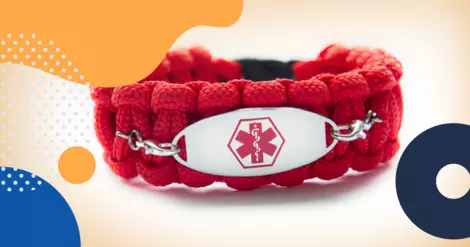
... include a few details that can help in an emergency, like: The type of hemophilia (A or B), if you know it Severity (mild, moderate, or severe), if you know it Your use of any factor infusions (and the factor type), if space allows Any inhibitors (if you have them) A note like “Bleeding risk — Avoid aspirin or other nonsteroidal anti-inflammatory drugs (NSAIDs ...
Hemophilia Medical Alert Bracelets: 3 Reasons Why They’re Recommended
... include a few details that can help in an emergency, like: The type of hemophilia (A or B), if you know it Severity (mild, moderate, or severe), if you know it Your use of any factor infusions (and the factor type), if space allows Any inhibitors (if you have them) A note like “Bleeding risk — Avoid aspirin or other nonsteroidal anti-inflammatory drugs (NSAIDs ...
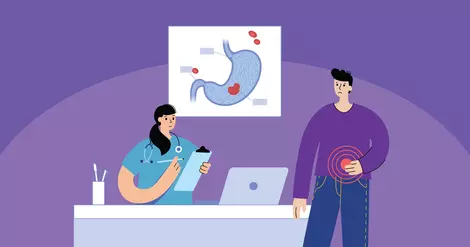
... Aspirin and other nonsteroidal anti-inflammatory drugs (NSAIDs) increase your risk for peptic ulcers and gastritis, which are common causes of upper GI tract bleeding.Drinking alcohol may also increase your risk of a GI bleed if you have hemophilia. ...
... For pain, avoid aspirin and nonsteroidal anti-inflammatory drugs (NSAIDs), such as ibuprofen, unless your care team tells you otherwise. ...







 Join
Join

 Your Privacy Choices