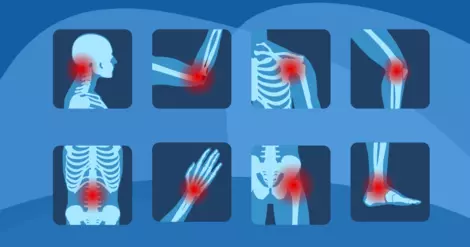
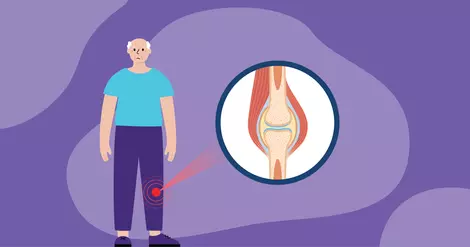
... If you have joint pain, a physical therapist can show you how to move safely and suggest supports like braces or joint sleeves if needed.One member of MyHemophiliaTeam with a long history of knee pain shared, “If I know I’m going to be doing a lot of walking on any given day, I wear very strong, knee-stabilizing compression sleeves.”Treat QuicklyIf ...
Joint Pain and Hemophilia: Tips for Managing
... If you have joint pain, a physical therapist can show you how to move safely and suggest supports like braces or joint sleeves if needed.One member of MyHemophiliaTeam with a long history of knee pain shared, “If I know I’m going to be doing a lot of walking on any given day, I wear very strong, knee-stabilizing compression sleeves.”Treat QuicklyIf ...
... This knee bleed is a work in progress.”Other members have related their experiences with surgery such as joint replacement for severe joint disease. “Good luck on the knee,” said a member. “I had my knee replaced 40 years ago and still have the same hardware that was installed back then.” ...
What Is Hemarthrosis? How It Affects Those Living With Hemophilia
... This knee bleed is a work in progress.”Other members have related their experiences with surgery such as joint replacement for severe joint disease. “Good luck on the knee,” said a member. “I had my knee replaced 40 years ago and still have the same hardware that was installed back then.” ...
... The results are a permanent super-sized right knee.”If you’re planning surgery or dental procedures, talk with your care team ahead of time. ...
... The goal of taking factor concentrate is to raise your clotting factor to 80 percent to 100 percent for hemophilia A and 60 percent to 80 percent for hemophilia B and seek emergency treatment. Then, call your local hemophilia treatment center or hemophilia physician. ...
Does Blood Loss Cause Headaches? What To Know for Hemophilia
... The goal of taking factor concentrate is to raise your clotting factor to 80 percent to 100 percent for hemophilia A and 60 percent to 80 percent for hemophilia B and seek emergency treatment. Then, call your local hemophilia treatment center or hemophilia physician. ...
... “My knee that needs to be replaced has been painful,” said one member. “I’ve also been experiencing bleeds in my elbow and ankle. So, I’m on my back for now. How do you guys deal with depression?” ...
Depression and Hemophilia: What’s the Connection?
... “My knee that needs to be replaced has been painful,” said one member. “I’ve also been experiencing bleeds in my elbow and ankle. So, I’m on my back for now. How do you guys deal with depression?” ...
... Total knee replacement is the most common type of joint replacement surgery for people with hemophilia.One MyHemophiliaTeam member described a positive experience with joint replacement surgery and the recovery. “I’m just five weeks post-op from ankle replacement surgery,” he said. “I’ve gained almost full mobility back with absolutely no pain!” ...
Hemophilia and Surgery: What To Expect
... Total knee replacement is the most common type of joint replacement surgery for people with hemophilia.One MyHemophiliaTeam member described a positive experience with joint replacement surgery and the recovery. “I’m just five weeks post-op from ankle replacement surgery,” he said. “I’ve gained almost full mobility back with absolutely no pain!” ...
... Always be sure to wear helmets, knee pads, wrist guards, or whatever safety gear is appropriate for the activity. These can help protect your joints and other body parts.Prepare for EmergenciesCarry your hemophilia emergency kit with you when exercising. ...
Hemophilia Exercise Precautions: 4 Safer Activities and Tips
... Always be sure to wear helmets, knee pads, wrist guards, or whatever safety gear is appropriate for the activity. These can help protect your joints and other body parts.Prepare for EmergenciesCarry your hemophilia emergency kit with you when exercising. ...
... “Currently bleeding in my arthritic knee and an ankle. Have my ice packs on,” a MyHemophiliaTeam member shared. 4. ...
... Most commonly used in joints where replacement surgery is not recommended, such as the ankle. joint replacement—using artificial components in a joint, such as the knee or elbow, to replace those that are damaged from wear and tear or chronic bleeds. lifetime cap—a spending limit on insurance benefits. ...
Bleeding Disorder Glossary
... Most commonly used in joints where replacement surgery is not recommended, such as the ankle. joint replacement—using artificial components in a joint, such as the knee or elbow, to replace those that are damaged from wear and tear or chronic bleeds. lifetime cap—a spending limit on insurance benefits. ...
... High blood pressure is usually diagnosed when it’s over 130/80 mm Hg.Having high blood pressure increases the risk of cardiovascular disease because it puts extra strain on the heart, blood vessels, and major organs — including the kidneys.Research shows that hypertension tends to develop earlier in people with hemophilia and becomes more common with ...
Hemophilia A and Cardiovascular Disease: Connection and Risk
... High blood pressure is usually diagnosed when it’s over 130/80 mm Hg.Having high blood pressure increases the risk of cardiovascular disease because it puts extra strain on the heart, blood vessels, and major organs — including the kidneys.Research shows that hypertension tends to develop earlier in people with hemophilia and becomes more common with ...











 Join
Join

 Your Privacy Choices