... Inhibitor symptoms aren’t always obvious, so it’s important to monitor for their development.Inhibitor symptoms aren’t always obvious. It’s recommended that people with hemophilia B get tested for inhibitors at least once a year.According to the U.S. ...
Hemophilia B Inhibitors: Causes and Treatments
... Inhibitor symptoms aren’t always obvious, so it’s important to monitor for their development.Inhibitor symptoms aren’t always obvious. It’s recommended that people with hemophilia B get tested for inhibitors at least once a year.According to the U.S. ...
... Inhibitor symptoms aren’t always obvious, so testing is important to monitor for their development.According to the Centers for Disease Control and Prevention (CDC), free inhibitor testing is offered through federally funded hemophilia treatment centers to those who qualify.People with inhibitors are categorized based on the concentration of inhibitors ...
What Do Inhibitors Do in Hemophilia A?
... Inhibitor symptoms aren’t always obvious, so testing is important to monitor for their development.According to the Centers for Disease Control and Prevention (CDC), free inhibitor testing is offered through federally funded hemophilia treatment centers to those who qualify.People with inhibitors are categorized based on the concentration of inhibitors ...
... bleeding (bleeding in the brain).Common bleeding symptoms of hemophilia include: Bleeding into the joints and muscles (which may cause swelling, pain, or limited movement) Blood in stool (poop) or urine Frequent or prolonged nosebleeds Bruising easily Heavy or prolonged bleeding after injuries, surgery, or dental procedures Spontaneous bleeding (without obvious ...
Hemophilia Signs and Symptoms
... bleeding (bleeding in the brain).Common bleeding symptoms of hemophilia include: Bleeding into the joints and muscles (which may cause swelling, pain, or limited movement) Blood in stool (poop) or urine Frequent or prolonged nosebleeds Bruising easily Heavy or prolonged bleeding after injuries, surgery, or dental procedures Spontaneous bleeding (without obvious ...
... joint, which are signs of a joint bleed Altered consciousness or intellectual or behavioral changes, which can indicate a brain bleed Presence of blood in vomit or stool, indicating a bleed in the gastrointestinal tract Unexplained or relentless crying, which could be an infant’s way of telling you they’re in pain Some hemophilia bleeding has an obvious ...
Newly Diagnosed With Hemophilia: Next Steps
... joint, which are signs of a joint bleed Altered consciousness or intellectual or behavioral changes, which can indicate a brain bleed Presence of blood in vomit or stool, indicating a bleed in the gastrointestinal tract Unexplained or relentless crying, which could be an infant’s way of telling you they’re in pain Some hemophilia bleeding has an obvious ...
... One of the trickier aspects of the disease is recognizing bleeds that don’t result from an obvious fall or cut.Spontaneous bleeds can happen in the joints and cause damage that’s not easy to spot. ...
A Caregiver’s Guide to Hemophilia in Children
... One of the trickier aspects of the disease is recognizing bleeds that don’t result from an obvious fall or cut.Spontaneous bleeds can happen in the joints and cause damage that’s not easy to spot. ...
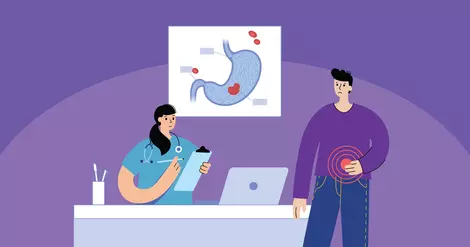
... With hemophilia, low levels of clotting factors in your blood mean that even tiny injuries can cause a lot of bleeding or that bleeding may occur spontaneously without any obvious injury when the factor levels are too low.Hemophilia can cause bruising or excessive bleeding from just about anywhere, even with no clear cause. ...
What Causes Gastrointestinal Bleeding? Hemophilia and Other Potential Causes
... With hemophilia, low levels of clotting factors in your blood mean that even tiny injuries can cause a lot of bleeding or that bleeding may occur spontaneously without any obvious injury when the factor levels are too low.Hemophilia can cause bruising or excessive bleeding from just about anywhere, even with no clear cause. ...








 Join
Join

 Your Privacy Choices